How to manage the world’s refugees? a wicked problem
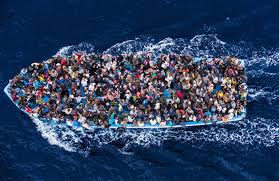
The world is currently experiencing the highest levels of forced displacement since World War II, with over 122 million people having been uprooted from their homes due to conflict, violence, persecution, and human rights violations. While the number of refugees—those who have crossed an international border to seek safety—is estimated at over 42 million, the majority of displaced people, approximately 73.5 million, are internally displaced people (IDPs), meaning they have been forced to flee but remain within their own country’s borders. These crises are heavily concentrated, with nearly 70% of all refugees coming from just five countries: Afghanistan, Syria, Venezuela, Ukraine, and South Sudan. The drivers of this displacement are diverse, ranging from ongoing conflicts in Sudan, Syria, and Ukraine to gang violence in Central America and the devastating effects of climate change.
The global response to this immense challenge is often strained and disproportionately placed on developing nations. A significant majority of the world’s refugees, about 73%, are hosted by low- and middle-income countries, many of which share a border with the countries from which refugees are fleeing. These host countries often lack the resources to provide adequate legal protection, a right to work, or access to basic services for refugees. The path to a durable solution is also becoming increasingly difficult; the number of refugees able to return home each year has fallen drastically, and opportunities for resettlement in a third country are limited, leading to protracted and long-term displacement situations. This ongoing crisis highlights a critical need for greater international cooperation and more equitable burden-sharing to address the root causes of displacement and provide effective and dignified support for those who have been forced to flee.
 JURY DELIBERATIONS FOR WICKED PROBLEMS